mental health
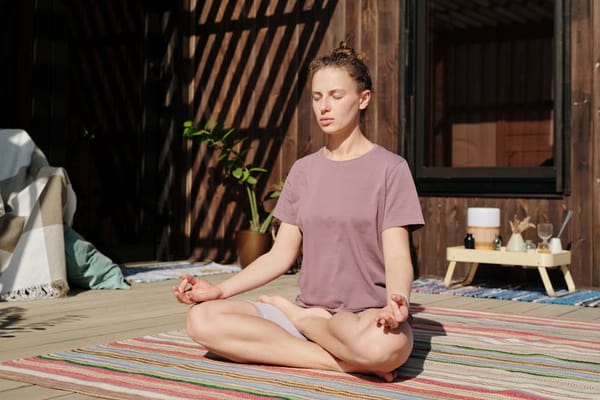
Why You Should Sit in Silence Daily
Most adults rarely experience true silence. Music, podcasts, TV, conversation, phone scrolling fill almost all waking time. Five to ten
An accessible resource on mental health for women—free of stigma and jargon, with real, practical tools. The content was developed in collaboration with psychologists and psychotherapists. The focus is on managing everyday stress, relationships, burnout, anxiety, and self-esteem. It is not a substitute for therapy, but it helps you understand when you need it.Thoughts, stories and ideas.
Most adults rarely experience true silence. Music, podcasts, TV, conversation, phone scrolling fill almost all waking time. Five to ten

Constant availability — replying to messages instantly, picking up calls always, saying yes to last-minute requests — is exhausting and trains

Most women deflect compliments — 'oh this old thing', 'no I didn't really do that much&

Caregiving — for children, ageing parents, ill spouses — produces higher burnout rates than most paid work. The combination of high emotional
Most people seek therapy during crisis. That's the worst time to find one — waiting lists are long, judgement

Journaling is one of the most-recommended and least-practised mental health habits. Five minutes daily produces measurable improvements in

Most apologies — 'I'm sorry you feel that way' or 'I'm sorry but you

Most adults have one or two main friend groups — usually formed in one life context (school, work, neighbourhood). When that

Mental health days are widely supported in principle and underused in practice. Most UK employers' sickness policies allow days
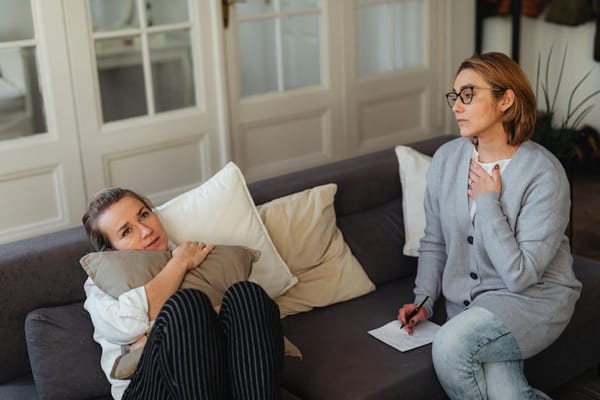
Therapy isn't only for people in crisis. Most people benefit from 8-12 sessions at some point in

Anxiety disorders have well-defined treatments with strong evidence — CBT, ACT, medication, and combinations. Most untreated anxiety persists for years;
Many women were trained to view asking for help as weakness or burden. The actual cost — to mental health, to